
At Petz We Love, we empower pet owners with science-backed knowledge to build deeper, more trusting bonds with their animal companions. This article is part of our commitment to challenging outdated pet care and replacing it with what the evidence actually shows.
This article contains affiliate links. As an Amazon Associate we earn from qualifying purchases, at no extra cost to you. We only recommend products that fit our force-free, science-backed approach. Learn more.
Introduction: “It Worked” Isn’t the Same as “It Helped”
You told your dog off for jumping, and they stopped. You gave a leash correction, and the pulling paused. From the outside, punishment looks like it works — the behavior stops, right there in the moment. That immediate result is exactly why punishment-based training has survived for generations.
But “the behavior stopped” and “the problem was solved” are two very different things. And when researchers actually measured what’s happening inside a dog during and after punishment-based training — including their stress hormones and their emotional outlook on the world — the picture that emerged should give every dog owner pause.
Here’s what the science actually shows about what punishment does to your dog’s brain.
1. What “Punishment” Really Means in Training
First, a definition, because the word gets muddy. In training terms, aversive or punishment-based methods are those that rely on force, pain, fear, or discomfort to change behavior — things like leash corrections, choke and prong collars, shock collars, physical corrections, and intimidation. Reward-based methods do the opposite: they reinforce the behaviors you want and manage the environment to prevent the ones you don’t.
This isn’t a Petz We Love opinion. The American Veterinary Society of Animal Behavior (AVSAB) — the veterinary body many trainers treat as the gold standard — states plainly that based on current scientific evidence, only reward-based methods should be used for all dog training, including the treatment of behavior problems, and that there is no evidence aversive training is ever necessary.
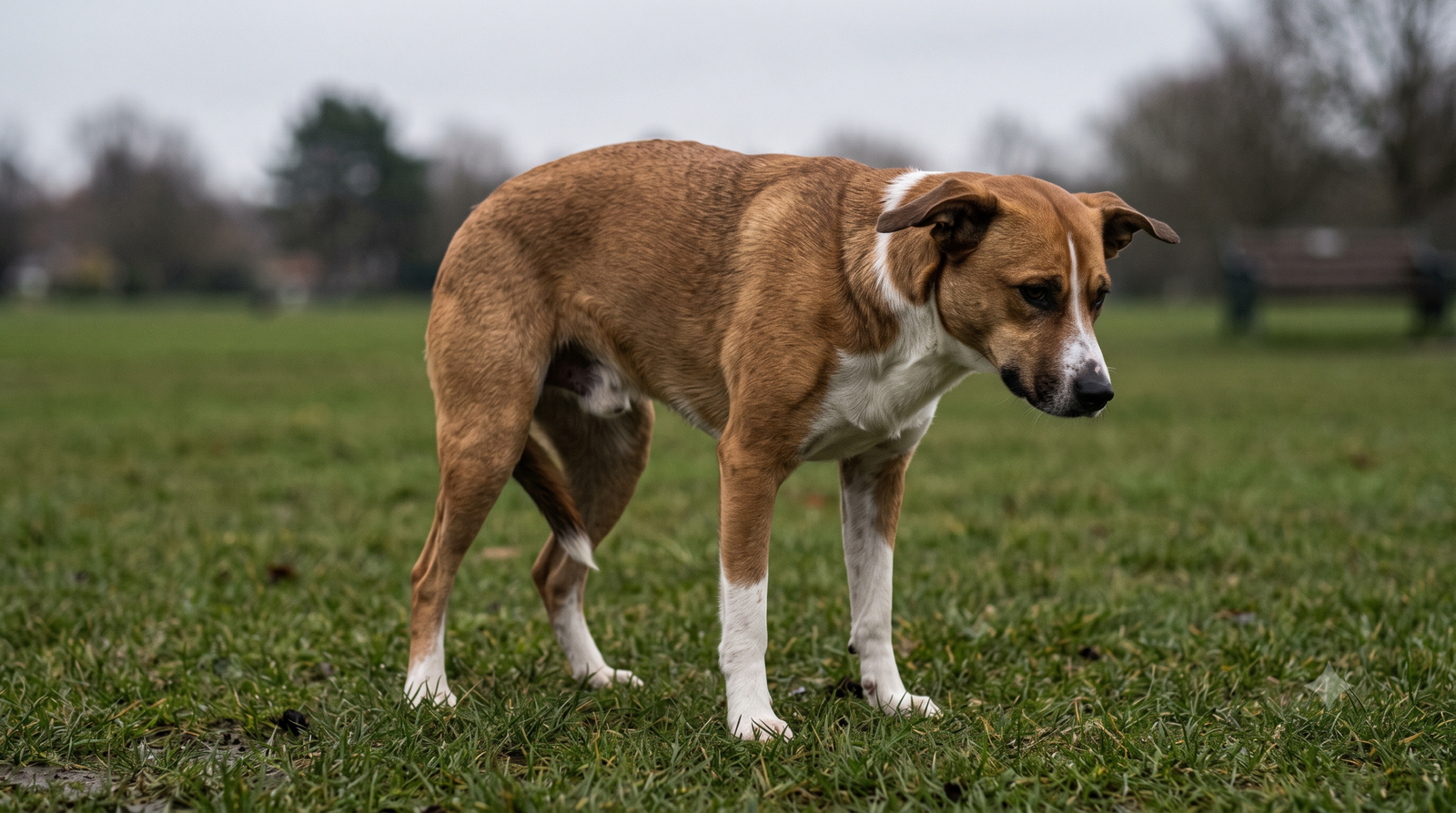
2. The Study That Measured Stress Directly
The most compelling evidence comes from a 2020 study published in the journal PLOS ONE, led by researcher Ana Catarina Vieira de Castro. Rather than relying on owner surveys (the weakness of most earlier research), her team studied 92 companion dogs from seven training schools in Portugal — some using aversive methods, some reward-based, some a mix — and measured what was actually happening physiologically.
They filmed training sessions and tested the dogs’ saliva for cortisol, the primary stress hormone. The results were clear: dogs trained with aversive methods showed more stress-related behaviors during training — crouching, yelping, tense body postures — and had significantly higher increases in cortisol after training than dogs trained with rewards.
In other words, the “correction” your dog receives isn’t just a quick, forgettable moment. It registers as a measurable spike in the physical stress response — the same system that floods a body with tension and alarm.
3. The Effect That Outlasts the Training Session
Here’s the part that matters most, and it’s the part a spray bottle or a leash pop can never show you on the surface. The same study gave the dogs a cognitive bias test — a clever way of measuring an animal’s general emotional outlook, essentially whether they approach ambiguous situations as an optimist or a pessimist.
Dogs trained with aversive methods were measurably more “pessimistic” than the reward-trained dogs. That word has a specific scientific meaning here: they had a decreased expectation of good outcomes, a pattern researchers also observe in humans and animals experiencing negative mood states.
The stress of punishment-based training didn’t stay in the training session. It followed the dogs out into the rest of their lives, coloring how they interpreted the world.
Punishment doesn’t just create a bad moment. It creates a dog who expects bad moments.
4. Why the Brain Can’t Learn Well Under Threat
There’s a straightforward biological reason punishment backfires as a teaching tool. When an animal is frightened or stressed, the body prioritizes threat response over learning. The AVSAB position statement lists inhibition of learning among the documented adverse effects of punishment — meaning the very state punishment creates is the state least suited to actually absorbing a lesson.
So when a dog “obeys” after a correction, they’re often not learning the behavior you wanted. They’re suppressing behavior to avoid something unpleasant. The underlying emotional driver — the excitement, the fear, the unmet need — is still there. It’s just been pushed underground, where it tends to resurface later, sometimes as something worse.
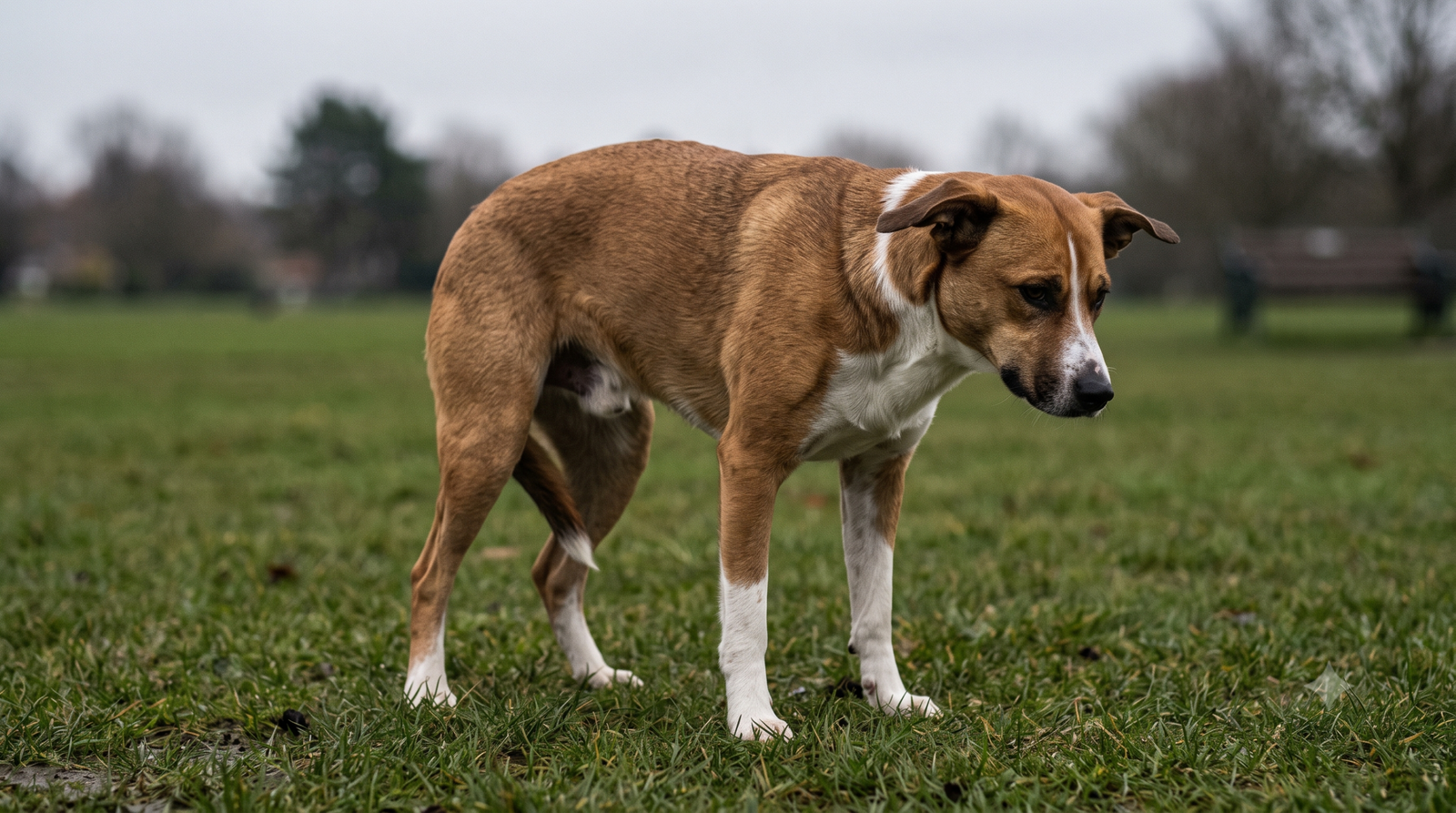
5. The Hidden Cost: Your Relationship
Beyond stress and suppressed learning, there’s the bond itself. Research indicates that over the long term, dogs trained through punishment may:
- Develop a fear response to their own handler
- Bond less securely with their guardian
- Play less
- Show more fear-associated behaviors — including aggression
Meanwhile, dogs trained with humane, reward-based methods are more likely to perform well on novel tasks, be more playful, and interact more positively with strangers.
This is the quiet tragedy of dominance-era training: owners reach for correction precisely because they love their dog and want a well-behaved companion — and the method itself erodes the trust that makes companionship rewarding in the first place.
What to Do Instead: The Practical Swap
The alternative isn’t permissiveness or letting your dog run the household. It’s a shift in the question you’re asking. Instead of “how do I stop this behavior,” ask “what do I want them to do instead, and how do I make that rewarding?”
The AVSAB describes the core of this approach simply: reinforce the behaviors you want, remove the reward for behaviors you don’t, and address the emotional state and environment driving the problem.
Here’s what that looks like in practice:
| The Problem | ❌ The Correction | ✅ The Reward-Based Swap |
|---|---|---|
| Jumping up | Knee to the chest, “OFF!” | Reward four paws on the floor. Attention only arrives when they’re grounded. |
| Leash pulling | Leash pop / prong collar | Mark and reward a loose leash. Stop moving when it tightens. |
| Counter-surfing | Yelling, startling | Manage the environment (clear counters) + reward a “place” behavior. |
| Barking at the window | Spray bottle, shock collar | Reduce the trigger (window film) + reward calm + meet the unmet need. |
The Two Tools That Make Reward-Based Training Actually Work
Reward-based training lives or dies on timing. Your dog needs to know exactly which split-second behavior earned the reward — and that means two things need to be instant.
1. A marker. A clicker makes the moment unmistakable. That sharp, consistent sound tells your dog “that — what you just did — is what earned this.” A verbal “Yes!” works too, but a clicker is faster, more precise, and never varies with your tone or mood. For the four-paws-on-the-floor swap above, marking the exact instant those paws land is the technique.
The PetSafe Clik-R is the one we’d point most people to — it has a finger band, so it stays on your hand while you’re still free to hold a leash, hand a treat, or give a hand signal. Losing the clicker mid-session is the fastest way to abandon clicker training entirely.
2. Fast reward delivery. A reward that arrives five seconds late teaches your dog something you didn’t intend. Fumbling in a jacket pocket while the moment evaporates is the single most common reason people conclude reward-based training “doesn’t work for my dog.”
A waist-worn PetSafe Treat Pouch Sport solves it: the hinge stays open so treats are at your fingertips, and it has a divided inner pocket — which matters more than it sounds. You want everyday kibble for easy wins and genuinely high-value treats (chicken, cheese, freeze-dried liver) for the hard stuff, without them mixing. It also has a carabiner sized for the Clik-R, so the two tools live together instead of one of them getting lost in a drawer.
Neither tool is magic, and you can absolutely train without them. But they remove the two failure points that sink most people: sloppy timing, and a reward that arrives too late to mean anything.
Frequently Asked Questions
Q: My dog only responds when I raise my voice. Doesn’t that prove correction works?
A: It proves your dog has learned that your raised voice predicts something unpleasant, so they suppress the behavior to avoid it. That’s not the same as understanding what you actually want, and it comes at a stress cost. Teaching and rewarding the alternative behavior produces more reliable results without that cost.
Q: Isn’t reward-based training just bribing my dog?
A: No — a bribe comes before a behavior to coax it out; a reward comes after a behavior to reinforce it. Reward-based training uses the same learning principle (operant conditioning) that all animals, including humans, learn by. Treats are also gradually faded as behaviors become established.
Q: What if I’ve already been using corrections for years?
A: Dogs are remarkably resilient, and it’s never too late to shift. Start reinforcing the behaviors you want and managing the environment to prevent the ones you don’t. Many owners see their dog become visibly more relaxed and engaged within weeks of dropping aversive methods.
Q: Do I have to use treats forever?
A: No. Treats are heaviest during the learning phase, then gradually thinned out as the behavior becomes reliable — shifting to intermittent rewards, praise, play, and life rewards (the door opening, the ball being thrown). The behavior sticks; the treat frequency drops.
Conclusion: A Better Question Than “How Do I Stop This?”
Punishment can stop a behavior in the moment. What the science shows is that it does so at a real cost — higher stress hormones, a more pessimistic outlook, inhibited learning, and a weakened bond. None of that shows up in the moment the behavior stops, which is exactly why the myth has been so hard to shake.
Your dog isn’t giving you a hard time. They’re having a hard time, or they simply haven’t been taught a better option yet. Teach the better option, make it rewarding, and you get the behavior you want and the trust you actually came for.
Free Download
5 Things You Were Taught About Pet Care That Science Says Are Wrong
The dominance myth is just the first. Get the free guide and unlearn the rest.
Get the Free Guide →Keep Reading
- Your Dog Isn’t “Dominant.” That Word Is Doing You a Disservice.
- The 3-Step Disengagement Protocol for Reactive Dogs
- Why Comforting an Anxious Dog Doesn’t “Reward” Their Fear
- Take the 2-Minute Quiz: What’s Your Pet Care Style?
This article is for general educational purposes and isn’t a substitute for personalized guidance from your veterinarian or a qualified, credentialed behavior professional. For serious behavior concerns — especially aggression — consult a veterinary behaviorist.
Sources: American Veterinary Society of Animal Behavior (AVSAB), Position Statement on Humane Dog Training (2021) · Vieira de Castro, A.C. et al., “Does training method matter? Evidence for the negative impact of aversive-based methods on companion dog welfare,” PLOS ONE (2020).
Leave a Reply